AMD EPYC 9005 Series: Powering Next-Generation Server Performance with Custom Configuration and System Integration

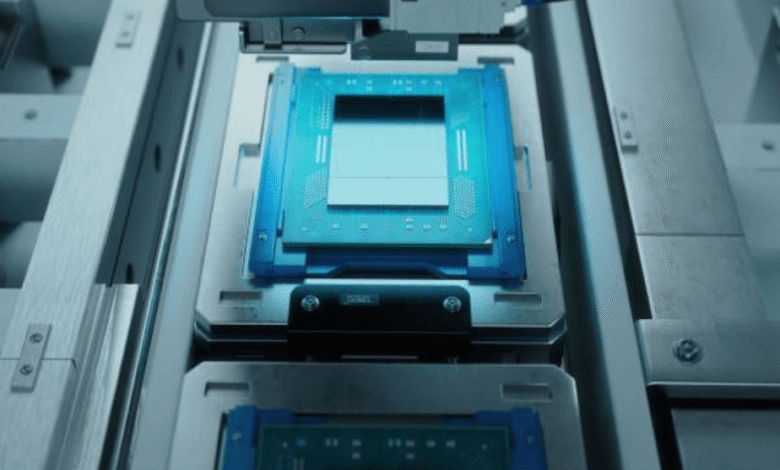
The rapid evolution of enterprise workloads such as artificial intelligence, big data analytics, virtualization, and cloud computing has placed unprecedented demands on modern data center infrastructure. Organizations today require server platforms that deliver exceptional performance, scalability, and efficiency while remaining flexible enough to adapt to specific workload needs.
The AMD EPYC 9005 Series represents a significant leap forward in server processor technology, offering cutting-edge performance, advanced architecture, and optimized energy efficiency. However, extracting the full value of these processors depends not just on the hardware itself, but on how systems are configured, integrated, and validated.
This is where companies like Saitech play a critical role. Rather than designing servers from scratch, Saitech specializes in custom configuration, system integration, and performance validation. By building servers tailored to customer requirements using leading OEM platforms, Saitech ensures that organizations receive reliable, ready-to-deploy systems aligned with their workloads.
This article explores the capabilities of the AMD EPYC 9005 Series, practical use cases, and how custom configuration and system integration maximize business outcomes. It also highlights the often-overlooked role of facility management companies in maintaining operational efficiency within IT environments.
Understanding the AMD EPYC 9005 Series
The AMD EPYC 9005 Series processors are engineered for high-performance computing environments. Built to support demanding enterprise workloads, these processors bring together advanced core density, memory bandwidth, and PCIe connectivity.
Key Features
1. High Core Density
The AMD EPYC 9005 Series offers a substantial number of cores per processor, enabling organizations to run multiple workloads simultaneously. This is particularly valuable in virtualized environments and cloud platforms where resource consolidation is critical.
2. Enhanced Memory Performance
With support for high-capacity and high-speed memory, these processors ensure that memory-intensive applications such as databases and analytics platforms operate efficiently.
3. Advanced I/O Capabilities
The processors support next-generation PCIe lanes, allowing seamless integration of GPUs, NVMe storage, and high-speed networking components.
4. Energy Efficiency
Energy efficiency is a core consideration in modern data centers. The AMD EPYC 9005 Series delivers strong performance per watt, helping organizations reduce operational costs.
The Importance of Custom Configuration and System Integration
While the AMD EPYC 9005 Series provides powerful capabilities, the real value lies in how servers are configured to match specific workloads.
Saitech focuses on custom configuration and system integration, ensuring that each server build aligns precisely with customer requirements.
What Custom Configuration Involves
Custom configuration is not about creating new hardware designs. Instead, it involves selecting and assembling the right components based on workload needs:
- Choosing appropriate CPU models within the AMD EPYC 9005 Series
- Configuring memory capacity and speed
- Selecting storage solutions such as NVMe, SSD, or hybrid setups
- Integrating GPUs for AI and high-performance computing workloads
- Optimizing networking components for throughput and latency
System Integration and Validation
Once components are selected, system integration ensures compatibility and performance. This includes:
- Hardware assembly using OEM platforms such as ASUS, HPE, and ASRock
- Firmware and BIOS configuration
- Stress testing and performance benchmarking
- Ensuring thermal and power efficiency
- Validating workload-specific performance
The result is a fully tested, ready-to-deploy server system.
Practical Use Cases of AMD EPYC 9005 Series
1. Data Centers and Cloud Computing
Cloud providers require scalable infrastructure capable of handling thousands of virtual machines. The AMD EPYC 9005 Series enables high-density virtualization, allowing providers to maximize resource utilization.
Example:
A cloud service provider can deploy servers configured with high-core-count EPYC processors and large memory pools to host multiple tenants efficiently. Custom configuration ensures optimal balance between compute and memory.
2. Artificial Intelligence and Machine Learning
AI workloads demand both compute power and GPU integration. The AMD EPYC 9005 Series supports high-performance GPUs through advanced PCIe connectivity.
Example:
A research organization running deep learning models can benefit from a system configured with EPYC processors, multiple GPUs, and high-speed NVMe storage. Proper system integration ensures data flows seamlessly between components.
3. Financial Services and Analytics
Real-time analytics and algorithmic trading require low latency and high throughput.
Example:
A financial institution can deploy EPYC-based servers configured with optimized networking and memory to process transactions in real time. Custom configuration ensures minimal latency and maximum reliability.
4. Enterprise Virtualization
Virtualization environments benefit from high core counts and memory scalability.
Example:
A large enterprise can consolidate multiple workloads onto fewer physical servers, reducing hardware costs and simplifying management. System integration ensures stability across virtual machines.
Industry Insights: Why Custom Configuration Matters
Off-the-shelf servers often fail to meet the specific needs of modern workloads. Organizations are increasingly turning to custom-configured systems to achieve better performance and efficiency.
Key Trends
Workload-Specific Optimization
Different workloads require different configurations. AI workloads need GPUs, while databases require memory optimization.
Scalability
Custom configurations allow organizations to scale infrastructure incrementally.
Cost Efficiency
By selecting only necessary components, businesses avoid over-provisioning.
Faster Deployment Readiness
Pre-tested systems reduce the time required to bring infrastructure online.
See also: Innovations in Rapid Prototyping Technology
Saitech’s Approach to Server Solutions
Saitech’s approach is centered on custom configuration and system integration, not server design or deployment services.
What Saitech Offers
- Consultation based on customer requirements
- Selection of OEM platforms such as ASUS, HPE, and ASRock
- Custom configuration of CPU, GPU, memory, storage, and networking
- Compatibility validation and performance testing
- Delivery of ready-to-deploy systems
What Saitech Does Not Offer
- Server design from scratch
- On-site deployment or installation
- Managed services or facility operations
Instead, Saitech ensures that customers receive systems that are fully configured, tested, and optimized before delivery.
The Role of Facility Management Companies in IT Infrastructure
Although server configuration and integration are critical, maintaining a data center environment requires additional expertise. This is where a facility management company becomes essential.
What is a Facility Management Company?
A facility management company oversees the physical infrastructure and operational environment of a facility, including data centers.
Benefits of Hiring a Facility Management Company
1. Operational Efficiency
Facility management companies ensure that power, cooling, and physical infrastructure operate efficiently.
2. Reduced Downtime
Regular maintenance minimizes the risk of equipment failure.
3. Cost Optimization
Efficient energy management reduces operational expenses.
4. Compliance and Safety
Facility management ensures compliance with safety and regulatory standards.
5. Focus on Core Business
Organizations can focus on their primary objectives while experts handle infrastructure management.
Integrating AMD EPYC 9005 Series with Facility Operations
Combining high-performance servers with efficient facility management creates a robust IT ecosystem.
Example Scenario
A large enterprise deploys servers powered by the AMD EPYC 9005 Series, custom-configured for virtualization and analytics workloads. While Saitech handles system configuration and integration, a facility management company ensures:
- Optimal cooling for high-density servers
- Continuous power supply and backup systems
- Physical security of data center assets
- Preventive maintenance of infrastructure
This combination results in improved performance, reliability, and operational efficiency.
Best Practices for Deploying AMD EPYC 9005 Series Servers
1. Define Workload Requirements
Understand the specific needs of applications before selecting hardware.
2. Choose the Right Configuration
Select CPU, memory, storage, and networking components based on workload demands.
3. Prioritize Compatibility
Ensure all components work seamlessly together through proper system integration.
4. Conduct Thorough Testing
Validate performance under real-world conditions.
5. Plan for Scalability
Design configurations that can grow with business needs.
6. Collaborate with Experts
Work with experienced system integration providers for optimal results.
Future Outlook of Server Technology
The demand for high-performance computing continues to grow, driven by advancements in AI, edge computing, and digital transformation.
The AMD EPYC 9005 Series is well-positioned to support these trends, offering:
- Increased processing power
- Enhanced energy efficiency
- Greater scalability
- Support for emerging technologies
Organizations that invest in custom-configured and integrated systems will be better equipped to adapt to future challenges.
Conclusion
The AMD EPYC 9005 Series represents a powerful foundation for modern server infrastructure, delivering the performance and scalability required by today’s demanding workloads. However, the true potential of these processors can only be realized through careful custom configuration and system integration.
Saitech plays a vital role in this process by building, configuring, testing, and delivering systems tailored to customer requirements. By leveraging leading OEM platforms and focusing on compatibility and performance validation, Saitech ensures that organizations receive reliable, ready-to-deploy solutions.
At the same time, partnering with a facility management company enhances operational efficiency, reduces downtime, and ensures that data center environments remain optimized and compliant.
Together, these elements create a comprehensive approach to IT infrastructure, enabling businesses to achieve superior performance, scalability, and reliability. For organizations looking to harness the full capabilities of the AMD EPYC 9005 Series through expert configuration and integration, contact us.